

Mobile Boat Detailing: What to Expect
Mobile boat detailing brings professional cleaning, polishing, and protection directly to your dock, marina slip, or driveway — no trailering required. A trained technician arrives with all the water, equipment, and products needed to restore your hull, deck, and interior on the spot. It is the most convenient way to keep a boat looking its best between seasons or before a sale. Learn more about Boat Detailing.

How Mobile Boat Detailing Works
A mobile detailing crew schedules a time that fits your calendar, then drives a fully equipped van or truck to wherever your boat sits. They carry fresh water tanks, pressure washers, buffers, and marine-grade compounds, so they are not dependent on marina hookups. The job typically starts with a thorough wash, moves through compounding and polishing the gelcoat or painted hull, and finishes with a protective wax or ceramic coating. Most single-engine boats under 25 feet can be completed in a single visit of three to six hours.
What a Full Detail Actually Includes
A basic wash-and-wax covers the hull sides, deck surfaces, and a light interior wipe-down. A full detail goes considerably further: oxidation removal from faded gelcoat, metal polishing on cleats and railings, vinyl conditioning on seating, bilge cleaning, and a multi-stage paint correction if the finish has swirl marks or scratches. Reputable detailers will walk you through the condition of your boat before they start and recommend only the services your boat genuinely needs.
Ceramic coatings have become a popular upgrade during a detail appointment. Applied over a freshly polished surface, a marine ceramic coating bonds to the gelcoat and can repel water, salt, and UV damage for two to five years depending on the product and how the boat is stored. It costs more upfront but reduces the frequency of future waxing.
- Hull wash and decontamination
- Oxidation removal and compound polishing
- One- or two-stage wax or sealant application
- Vinyl and upholstery cleaning and conditioning
- Stainless steel and aluminum polishing
- Interior vacuuming and surface wipe-down
- Optional ceramic coating upgrade
Factors That Affect Mobile Detail Pricing
Several variables determine what a mobile boat detail will cost, so understanding them helps you get an accurate quote.
Boat Length:
Pricing is almost always based on overall length. A 20-foot center console costs significantly less to detail than a 40-foot cruiser because there is simply more surface area to clean and polish.
Condition of the Gelcoat:
Heavy oxidation requires multiple compounding passes and more labor time. A boat that has been waxed regularly every season will need far less correction work than one left uncovered for several years.
Type of Finish:
Painted hulls, especially those with Awlgrip or similar linear polyurethane finishes, require different products and more careful machine speeds than standard gelcoat, which can add to the cost.
Interior Complexity:
A simple open fishing boat interior takes less time than a cabin cruiser with upholstered berths, a galley, and a head. More surfaces mean more time and product.
Add-On Services:
Engine compartment cleaning, teak restoration, bottom paint touch-up, and ceramic coating applications are priced separately and can meaningfully increase the total invoice.
Location and Access:
Boats stored in covered dry-stack facilities or tight marina slips can be harder to work around, occasionally adding a small access fee compared to a boat sitting in an open driveway.
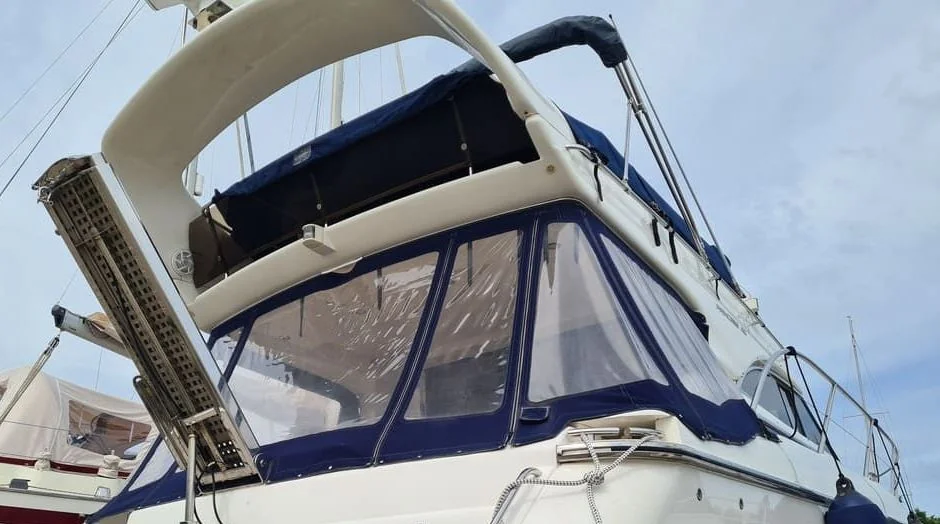
Choosing the Right Mobile Detailer
Look for a detailer who uses marine-specific products rather than automotive compounds, since gelcoat and boat paint respond differently than car clear coat. Ask whether they carry liability insurance, because a buffer in the wrong hands can burn through thin gelcoat or damage graphics. Checking reviews on Google and marina community boards gives you a realistic picture of reliability and finish quality. A good detailer will also give you a written estimate before touching the boat and explain exactly which products they plan to use on your specific finish.
Related Guides
Next: boat detailing near me
Frequently Asked Questions
How often should I have my boat professionally detailed?
Most boat owners benefit from a full detail once or twice a year, typically at the start of the season and again before winter storage. Boats kept in saltwater or stored outdoors without a cover may need more frequent attention because UV exposure and salt accelerate oxidation.
Do I need to be present during the mobile detail appointment?
You do not need to stay on-site the entire time, but it is a good idea to be available at the start so the technician can review the boat's condition with you and confirm the scope of work. Most detailers are comfortable working independently once the job is agreed upon.
Can mobile detailing fix severe oxidation?
Yes, in most cases. Heavy oxidation — the chalky, faded look on neglected gelcoat — responds well to a multi-stage compound and polish process. Extremely deep oxidation that has penetrated through the gelcoat layer may require professional respray rather than detailing alone.
Is a ceramic coating worth the extra cost on a boat?
For boats used frequently in saltwater or left outdoors, a ceramic coating is generally worth the investment because it dramatically reduces maintenance between details and protects against UV fading. If your boat is stored indoors and used lightly, a high-quality wax applied annually may be sufficient.
What is the difference between boat detailing and a simple boat wash?
A wash removes surface dirt and salt but does nothing to restore or protect the finish. Detailing goes further by removing oxidation, correcting swirl marks, and applying a protective layer of wax, sealant, or ceramic coating that keeps the gelcoat looking good and makes future cleaning easier.
How do I prepare my boat before the detailer arrives?
Remove personal gear, fishing equipment, and loose items from the deck and interior so the technician has clear access to all surfaces. If the boat is on a trailer, make sure it is parked in a spot with enough room to work around all sides. Beyond that, the detailer handles everything.